
Smart Home Office Room Divider Ideas for Small Spaces
Quick Facts About Smart Home Office Room Divider Ideas
- Space Optimization: Room dividers make small spaces feel more organized.
- Privacy & Focus: They help create private work zones in open spaces.
- Multi-functionality: Many dividers double as storage units or shelves.
- DIY Options: Simple, affordable DIY dividers like curtains or repurposed furniture.
- Design Flexibility: Available in various styles, from minimalist to modern glass partitions.
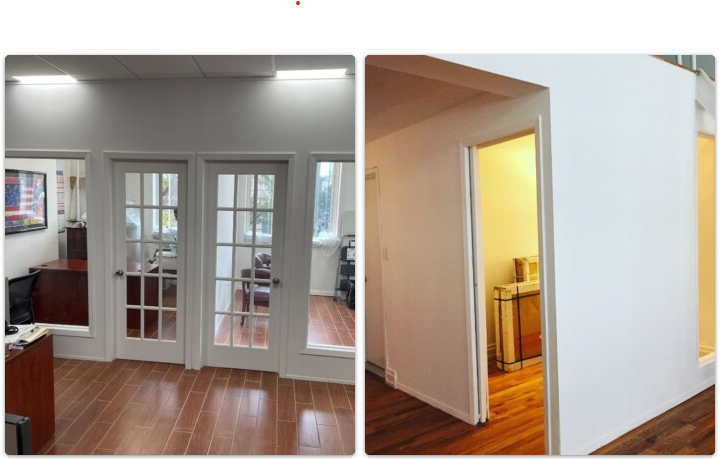
Creating a home office in a small space can be tricky. One solution? Room dividers. They are great for separating your office area from the rest of your home. Dividers can help you stay focused, add privacy, and make your home office look better. Let’s look at some smart home office room divider ideas for small spaces that will help you make the most of your space.
Why Use Room Dividers in a Home Office?
Room dividers are a simple and effective way to create a dedicated work area in a small space. Here’s why they are so helpful:
Privacy and Focus: Dividers help separate your office from the rest of your home so that you can focus on work without distractions.
Space-saving: They allow you to use open spaces more efficiently, making small areas feel bigger and more organized.
Stylish and Practical: Dividers come in many styles and materials. You can find one that matches your home office’s look.
Types of Room Dividers for Small Spaces
There are many types of room dividers to choose from, each with unique benefits. Some are flexible, like folding screens, while others are more permanent, like sliding panels. Understanding these options helps you select the best solution for your small home office.
Freestanding Dividers
Freestanding room dividers are easy to move and set up. They are perfect for people who need a flexible solution. You can find folding screens, mesh dividers, or decorative panels. These are great for temporary setups.
Curtain Dividers
Curtains are a cheap and simple way to create a room divider. All you need is a curtain rod and some fabric. Hang it across the room to separate your office. This option is easy to install and can be adjusted whenever needed.
Bookshelves or Storage Dividers
Bookshelves can double as room dividers and storage units. They not only separate the office from the living space but also provide extra storage for books, office supplies, or decorative items. This is an excellent option for a small home office.
Sliding Panels or Doors
Sliding panels or doors are more permanent solutions. These dividers can be installed in the wall and moved when needed. They are great for creating a home office in a room that doesn’t have many walls.
Glass Partitions
Glass dividers are a stylish and modern choice. They let light through and help keep the space feeling open. Though they don’t block sound, they are perfect if you want a sleek, minimalist look.
How to Choose the Right Room Divider for Your Home Office
When picking a room divider, keep these things in mind:
Room size matters when selecting a divider. For small spaces, opt for options like freestanding or curtain dividers that save space and don’t overwhelm the room. Design: Choose a divider that matches your home office style. If you like a minimalist look, go for simple materials like wood or fabric.
Functionality: Think about what you need. Do you want a divider that also provides extra storage? Or would you prefer one that’s easy to move?
Price: Room dividers come in a range of prices. Curtains are cheap, while glass or sliding doors might be more expensive. Pick the one that fits your budget.
DIY Room Divider Ideas for Small Home Offices
If you want to feel creative and resourceful, consider making your own room divider. Here are some ideas:
Repurpose Furniture
Use items you already have, like bookshelves, to divide the space. Place a bookshelf between your work area and the rest of the room to create a functional divider.
Fabric Dividers
For a budget-friendly option, hang a fabric divider. You can buy a curtain rod and some fabric and easily install it across the room. This is a great way to add color and texture to your space.
Wooden Pallet or Screen Dividers
If you like a rustic look, use wooden pallets or old room screens as dividers. Sand and paint them to match your office. You can even add plants to make the divider look more stylish.
Decorative Screens
Old decorative room screens can be upcycled into a cool room divider. Add some paint or fabric to match your home office style. This is a creative and cost-effective way to separate your workspace.
Tips for Maximizing Space
In a small room, every inch of space counts. Here are a few tips for using dividers to get the most out of your space:
Go Vertical: Choose dividers that go up to the ceiling. This will help make the room feel taller and more open.
Multi-Function Dividers: Pick dividers that offer extra storage or shelving. This keeps your office organized and saves space.
Light Colors and Materials: Light-colored or translucent dividers help keep the space feeling open. Dark dividers can make a small room feel even smaller.
Innovative Organization: Use dividers that also help you stay organized, like those with built-in shelves or storage.
Conclusion
Room dividers are a great way to create a home office in a small space. They help you separate your work area, add privacy, and keep your space organized. Whether you choose a freestanding divider, a simple curtain, or a DIY bookshelf divider, there’s a solution for every home and budget. With the right divider, you can turn any small space into a productive and stylish home office.
Case Study: Pressurized Wall Installation
Discover how Pressurized walls NYC has helped New York City residents transform living and office spaces using their damage-free pressurized wall systems. This case study highlights challenges, solutions, and benefits of pressurized wall technology that adds functional space without damage or permanent construction.
Download Full Case Study (PDF)FAQ 1: How do room dividers help in creating a home office in small spaces?
Room dividers play a key role in transforming small spaces into functional work areas. By creating a clear boundary between your office and the rest of your home, they provide privacy, reduce distractions, and help you focus. Whether you use a simple curtain, a bookshelf, or a more elaborate sliding panel, dividers help you optimize the available space. They also give you the freedom to organize and personalize your work area while maintaining a stylish look.
FAQ 2: What are some affordable room divider options for a home office?
If you’re working with a budget, there are plenty of affordable room divider options. One of the most cost-effective choices is using curtains. You can easily install a curtain rod across your room and hang fabric to create a simple, movable divider. Another budget-friendly idea is to repurpose furniture, like bookshelves or screens, to act as dividers. These solutions are both affordable and functional, giving you the privacy and separation you need without breaking the bank.
FAQ 3: Can I make my own room divider for a home office?
Yes, creating your own room divider is a great way to save money and customize your space. Some DIY ideas include repurposing old furniture like bookshelves or wooden pallets, which can act as both dividers and storage solutions. You can also create fabric dividers by hanging a curtain or fabric on a tension rod. For a more creative touch, try using decorative screens or wooden frames to build a unique divider that fits your style.
Ready to Transform Your Space?
Contact Pressurized Walls NYC today to create your perfect home office with expert temporary wall installation services.
Call Now: (347) 553-1945Flex Walls in NYC Guide: Installation, Costs and Benefits
Quick Facts about Flex Walls in NYC
- What is a Flex Wall?
A flex wall is a temporary partition used to divide large spaces into smaller rooms in NYC apartments. It’s popular for creating privacy in shared or studio apartments. - Cost Range
The cost of installing a flex wall typically ranges from $1,000 to $3,000, depending on the type and complexity of the installation. - Installation Time
Installing a flex wall NYC generally takes a few hours to a day, making it a quick solution for apartment layout changes. - Legal Considerations
Before installing, it's important to get approval from your landlord or building management. Flex walls usually don't need permits but must comply with building codes. - Benefits
- Affordable and non-permanent
- Maximizes space in small apartments
- Quick to install and remove
- Offers privacy and soundproofing options
Living in New York City often means working with small spaces. Many people use flex walls to divide rooms in their apartments. These walls are perfect for creating more privacy without making permanent changes. In this guide, you’ll learn how to install a flex wall, what it costs, and the rules you need to follow.
What is a Flex Wall in NYC?
A flex wall NYC is a temporary partition. It can divide a room into smaller spaces, like creating a bedroom in a studio apartment. These walls fit into place without damaging the building. They’re great for renters who want to change their space without permanent construction.
Most people use flex walls in NYC apartments to create privacy or separate living areas. Temporary wall NYC apartment systems are popular because they’re easy to install and remove.
How to Install a Flex Wall in NYC Apartments
Installing a flex wall NYC is not hard, but it’s best done by a professional. The wall fits into place using pressure, so it doesn’t need nails or screws. It’s fast and can be done in just a few hours.
You should hire someone who knows the rules in NYC. They will ensure the wall is safe and fits correctly. If you want to install flex wall NYC, there are different types of walls to choose from, such as those with soundproofing features or walls that help with insulation.
Costs of Flex Walls in NYC
A flex wall NYC apartment usually costs between $1,000 and $3,000. The cost depends on the type of wall you choose and how big it is. Some walls are cheaper to install, while others may require extra work.
In some cases, you may also need to pay for installation fees and possible permits. Pressurized wall NYC apartment systems tend to be more expensive than simpler walls. Always check with your installer for a clear estimate of all costs before moving forward.
Legal Considerations and Building Codes for Flex Walls in NYC
Before you install flex wall NYC, check with your landlord or building manager. Some buildings need approval before any changes are made. Temporary wall NYC apartment setups don’t usually need permits, but it’s always good to be sure.
The wall should not block windows, doors, or fire exits. It must also follow NYC building codes for safety. A pressurized wall NYC apartment system is the best choice for renters because it is secure but doesn’t damage the apartment.
Benefits of Flex Walls in NYC
A flex wall NYC apartment offers many benefits:
Affordable: A flex wall costs much less than building a permanent wall. It’s an inexpensive way to create extra rooms.
Temporary: Since temporary wall NYC apartment systems are removable, they don’t leave permanent marks when you move out.
Maximize Space: Flex wall NYC systems let you turn a large room into smaller, more useful spaces. This is perfect for small apartments.
Quick to Install: Most flex walls can be installed in a few hours, saving you time and hassle compared to traditional construction.
Privacy: Some temporary wall NYC apartment systems help with soundproofing, giving you more privacy in noisy apartments.
Conclusion
Installing a flex wall NYC is a smart solution for renters who want to use their space more efficiently. Whether you need a temporary wall NYC apartment or a pressurized wall to divide rooms, flex walls offer an affordable, easy-to-install option. They don’t require permits and can be removed when you move out.
Before you install, make sure to get approval from your landlord and follow NYC building codes. With a flex wall NYC apartment, you can enjoy more privacy and flexibility in your living space.
Case Study: Pressurized Wall Installation
Discover how Pressurized walls NYC has helped New York City residents transform living and office spaces using their damage-free pressurized wall systems. This case study highlights challenges, solutions, and benefits of pressurized wall technology that adds functional space without damage or permanent construction.
Download Full Case Study (PDF)How long does it take to install a flex wall in NYC?
It usually takes a few hours to a day, depending on the wall’s size.
Do I need approval from my landlord to install a flex wall?
Yes, always check with your landlord or building manager.
Are flex walls permanent?
No, flex walls are temporary and can be removed without leaving any damage.
Ready to Transform Your Space?
Contact Pressurized Walls NYC today to create your perfect home office with expert temporary wall installation services.
Call Now: (347) 553-1945How Temporary Walls Are Revolutionizing Home Office Spaces in NYC?
Overview: Temporary Walls for Home Offices in NYC
Temporary walls are non-permanent partitions popular in New York City for creating flexible home office spaces without damaging apartments.
- Use pressure systems to stay in place, avoiding screws or nails.
- Provide privacy and productivity in small living spaces.
- Comply with NYC building codes and require landlord approval.
- Easy to install and remove, making them ideal for renters and flexible work needs.
- Cost-effective alternative to permanent renovation or larger apartments.
Temporary walls help New Yorkers maximize limited space, create quiet work areas, and adapt to evolving lifestyles.
The NYC Space Challenge
Living in New York City means dealing with small spaces and high rents. Many people now work from home or have hybrid jobs. This makes it important to have a quiet home office. But most renters can’t afford big renovations or permanent changes. That’s why temporary walls have become popular. They offer an easy way to make a private workspace without lasting changes to the apartment.
What Are Temporary Walls and Flex Walls?
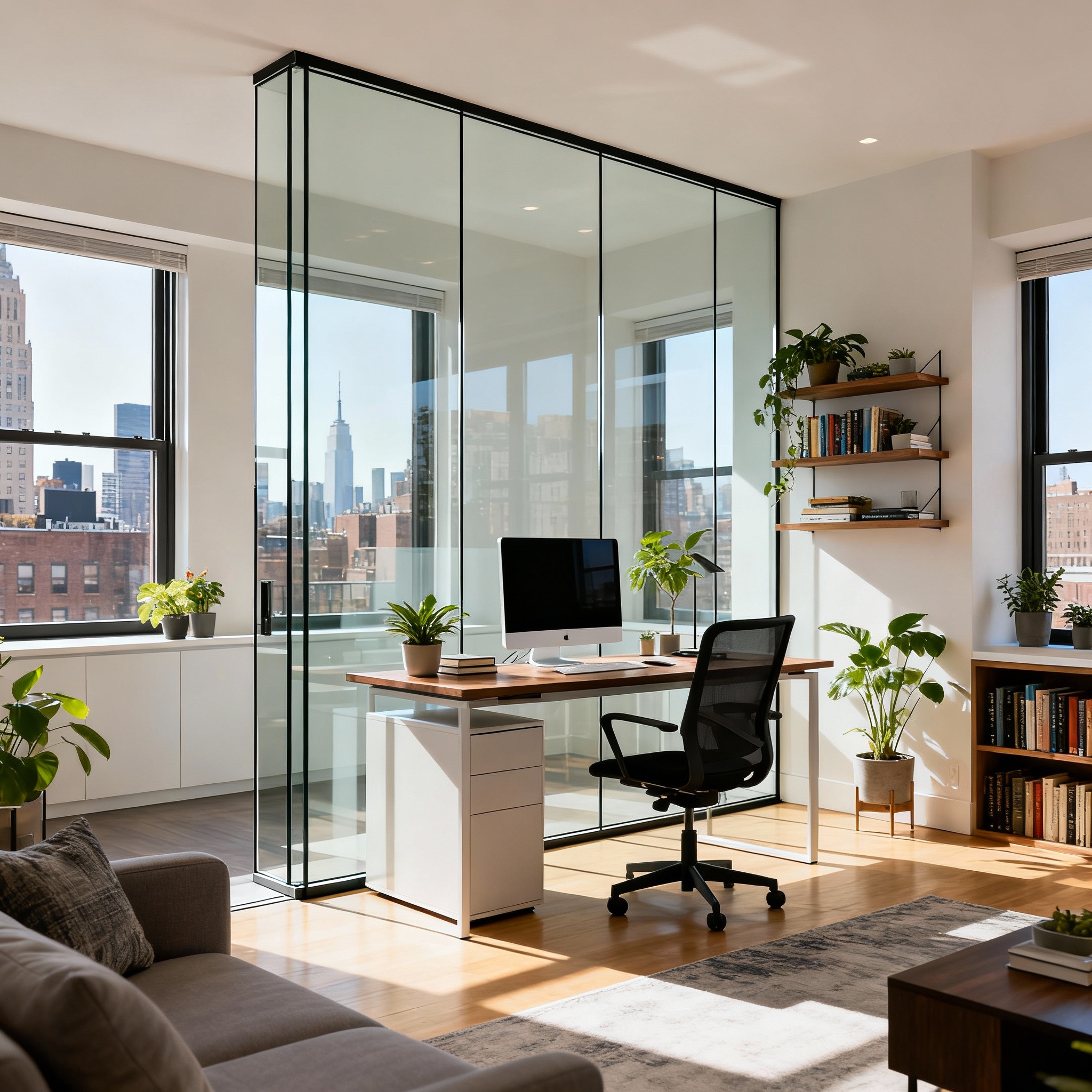
Temporary walls are light, movable partitions made from materials like drywall or plywood. Instead of using screws, these walls stay up through pressure between the floor and ceiling. This keeps the space safe without any damage. Many landlords approve them because they don’t leave marks or holes. Among these options, the pressurized wall is especially popular in NYC for its ease of installation and renter-friendly design.
Benefits of Dividing Walls for Home Offices
Many New Yorkers use temporary walls to create better workspaces at home. They offer:
- Privacy and Focus: These walls block noise and distractions, making it easier to work or attend online meetings.
- Flexible Designs: The walls can be straight or shaped to fit any spot, from a room corner to an open area.
- No Damage to Walls or Floors: Since no nails or screws are used, renters don’t risk losing deposits.
- Fast Setup and Removal: Professionals can set up or take down walls in a few hours, making changes easy.
- Cost-Effective: Installing a temporary wall costs much less than building permanent walls or moving to bigger apartments.
- Popular Ways to Use Temporary Walls
- Using a pressurized wall provides noise reduction and structural flexibility while maintaining compliance with local building codes.
People use these walls for different purposes:
- Dividing Open Spaces: Many turn a big room into smaller areas to make a cozy office.
- Glass Walls: These keep rooms bright while giving visual privacy and modern looks.
NYC Rules for Installing Walls
Before putting up any wall, check with your landlord or building manager. Most NYC landlords want written approval first. Walls must also follow NYC Department of Buildings safety rules, including fire safety and exits. Using an expert installer who knows these rules helps avoid problems and fines.
Conclusion and What to Do Next
Temporary walls are a great tool for New Yorkers who want better work spaces. They save money, comply with building rules, and give flexibility to renters and owners alike. For anyone needing a home office, hiring an experienced installer is a smart first step. These walls can transform any apartment into a more comfortable and productive place.
FAQ
Q1: Are temporary walls legal to install in NYC apartments?
A1: Yes, temporary walls are legal in most NYC apartments, but you should always get permission from your landlord or building management first. Additionally, the walls must comply with NYC Department of Buildings rules, including safety and fire regulations. Hiring a professional installer who understands these local rules ensures your wall is safe, legal, and won’t cause issues later.
Q2: How do temporary walls stay in place without damaging the apartment?
A2: Temporary walls use a pressurized system, where the wall is held securely between the floor and ceiling by tension. This means no screws or nails are needed, so there’s no damage to the walls, floors, or ceilings. This design makes them perfect for renters who want a private workspace but must keep their deposits intact.
Q3: How much does it cost to install a temporary wall in NYC?
A3: The cost of installing a temporary wall in NYC varies based on size, materials, and customization. On average, prices range from $500 to $2,000. This is generally much more affordable than permanent construction, especially when you consider the flexibility and ease of removal that temporary walls offer.
Case Study: Pressurized Wall Installation
Discover how Pressurized walls NYC has helped New York City residents transform living and office spaces using their damage-free pressurized wall systems. This case study highlights challenges, solutions, and benefits of pressurized wall technology that adds functional space without damage or permanent construction.
Ready to Transform Your Space?
Contact Pressurized Walls NYC today to create your perfect home office with expert temporary wall installation services.
10 Ingenious Ways to Use Pressurized Walls
Are you feeling cramped in your tiny apartment? Imagine transforming your compact space into a functional, stylish haven that feels twice its size. Welcome to the world of pressurized walls – the game-changing solution for maximizing small living spaces.
1. Create a Private Bedroom Oasis
Transform your studio apartment into a cozy one-bedroom haven with a pressurized wall. This simple addition can dramatically change the feel of your bed area. Imagine waking up in your private sanctuary, separate from your living space. You could even add a curved headboard to soften the look. The size of your IKEA bed won’t be an issue – pressurized walls can be customized to fit any space perfectly.
2. Carve Out a Home Office Space
Working from home in a small apartment? A pressurized wall can be your savior. Create a dedicated workspace that separates your professional and personal life. This setup is perfect for graphic design work or any job requiring focus and privacy. Decorate your new office with a piece of art to inspire creativity. The modern design of pressurized walls complements contemporary decor beautifully.
3. Design a Cozy Reading Nook
Book lovers, rejoice! A pressurized wall can help you create the reading nook of your dreams. Carve out a quiet corner in your living room for your library. Add a comfortable chair, good lighting, and, of course, plenty of bookshelves. Create a gallery wall on your new pressurized fence to showcase your favorite book covers or artwork. This unique piece of your home will make your apartment feel truly stylish and personalized.
4. Establish a Dining Area
No room for a separate dining room? No problem! A pressurized wall can help you create one. Define a dining area in your living room or kitchen with a strategically placed wall. Add a small table and chairs, and voila! You have a dedicated space for meals. Consider a rolling cart table that can be tucked away when not in use. The underside of this rolling cart table can even provide extra storage. For a different shape and more space-saving option, try a fold-down table attached to your new wall.
5. Set Up a Walk-in Closet
Fashion enthusiasts, your dreams of a walk-in closet can come true, even in a small apartment! Use a pressurized wall to section off part of your bedroom or living area. Install an IKEA PAX wardrobe system for customizable storage. Add a stylish PAX door to complete the look. With this setup, you’ll have a dedicated space for all your clothes, shoes, and accessories.
6. Craft a Mini Kitchen
Living in a studio with a tiny kitchenette? Use a pressurized wall to expand your culinary space. Create a partition that houses additional counter space and storage. An IKEA bookshelf can be repurposed as extra kitchen storage. Hunt for unique kitchen accessories at your local thrift store to add character. With some creativity, you can turn this space into a high-end accessory for your home.
7. Build a Workout Corner
Stay fit without leaving your apartment by creating a home gym with a pressurized wall. Section off a corner of your living room for exercise equipment. This new state-of-the-art gym is a bonus to your living space. Use wall anchors to secure equipment like resistance bands or a pull-up bar. Now, you have no excuse to skip your workout!
8. Design a Multipurpose Entertainment Zone
Create the ultimate entertainment zone in your small apartment with a pressurized wall. Separate your living area to include a TV-watching space and a gaming nook. Your new living room sofa can face the TV while the other side houses your gaming setup. Add a faux built-in fireplace to the wall for a cozy ambiance. Choose a color palette that ties the whole space together for a cohesive look.
9. Create a Dedicated Entryway
First impressions matter, even in a small apartment. Use a pressurized wall to create an entryway. This simple upgrade can dramatically change how your room feels upon entry. Add hooks for coats, a small bench for putting on shoes, and a mirror for last-minute checks. This addition is handy for your first apartment, helping to keep outdoor items organized and separate from your living space.
10. Construct a Stylish Room Divider
For a more open concept, use a pressurized wall as a partial room divider. This room divider idea allows you to separate spaces while maintaining an airy feel. Add a wooden frame to the wall for a more decorative touch. This approach gives you the best of both worlds – defined spaces with a cohesive look that doesn’t make your apartment feel closed off.
Conclusion
As we’ve seen, pressurized walls can transform tiny apartments. These ideas give small spaces more options. From private bedrooms to home offices and cozy reading nooks, pressurized walls offer flexibility, which modern city dwellers want. With these clever ideas, you can turn your small home into a stylish, multi-use space that will fit your needs and personality.
Build a Temporary Soundproof Wall in Your Apartment
The Need for Soundproofing in Apartments – Living in an apartment can pose challenges due to noise disruptions from neighboring units or external sources. Whether you work remotely, seek solace during peaceful evenings, or simply desire some quiet time, it becomes essential to consider soundproofing solutions that help maintain your well-being. One effective way to achieve a blissfully tranquil environment without permanent alterations is by constructing a temporary soundproof wall within your apartment. This solution ensures the creation of a serene atmosphere for uninterrupted tranquility.
Importance of Soundproofing
Soundproofing is essential for minimizing the transmission of unwanted noise. It creates a peaceful and quiet living space, enabling individuals to fully enjoy their surroundings. Additionally, soundproofing plays a crucial role in establishing an ideal work-from-home environment. By reducing distractions and improving focus, it facilitates productivity and concentration. Soundproofing can enhance the quality of sleep, contributing to improved overall well-being.
Factors to Consider Before Building a Temporary Soundproof Wall:
Temporary Solutions for Soundproofing Your Apartment:
Building a Temporary Soundproof Wall Panel
When it comes to achieving a temporary soundproof wall solution in one’s apartment, constructing a soundproof wall panel emerges as an effective and budget-friendly choice. By embracing some ingenuity along with the appropriate materials, individuals can relish a tranquil and noise-free living environment without violating their lease or carrying out permanent alterations to their space.
1. Measure and Plan:
Begin by measuring the area where you want to build the soundproof wall panel. This will help determine the dimensions and ensure a proper fit.
Consider the purpose of the wall panel. Are you trying to create a separate space for a home office or a second living room? Knowing the intended use will help guide your design decisions.
2. Gather the Materials:
Soundproofing material: Opt for acoustic foam panels, which are excellent at absorbing sound waves and minimizing sound transmission.
Regular curtains or soundproof curtains: These can be used to cover the front of the wall panel, providing an aesthetically pleasing finish.
3. Construct the Wall Panel:
4. Customize and Install:
Conclusion
In conclusion, creating a temporary soundproof wall in your apartment can be a game changer for achieving the much-needed peace and quiet in your space. By following the simple tips and techniques we’ve discussed, you can protect your sanity and enjoy blissful silence, even in a noisy environment. Start by analyzing the areas where sound leakage is most prominent, and then choose the right soundproofing materials that match your budget and preferences. Don’t forget to seal any gaps and cracks to maximize the effectiveness of your soundproof wall. contact us
Temporary Pressurized Walls Ideas for Your Home in NYC
Here are temporary pressurized walls ideas for your home in NYC.
The various styles and designs available for temporary pressurized walls
Sliding walls:
Accordion walls:
Freestanding walls:
Retractable walls:
Modular walls:
The benefits of using temporary pressurized walls
Tips for choosing the right temporary pressurized walls for your home in NYC
Determine your needs:
Consider the size of the space:
Research different options:
Look for high-quality materials:
Consider the cost:
Choose a reputable vendor:
Conclusion
Conclusion
How Do You Build a Temporary Pressurized Wall?
Types of materials used for temporary walls construction
Here are the materials used to construct temporary walls:
Drywall
Plywood
MDF
Plastic panels
Steps on how to build a temporary pressurized wall
Uses of a temporary wall
Creating privacy in your home
Changing the layout of your home
To create an office
Create Storage Space
Childproofing
Safety tips when building a temporary wall
Conclusion
How To Choose The Best Temporary Wall System
Durability
Aesthetics
● What colors do I like?
Time and Labor Considerations:
Safety Standards:
Compliance with Local Building Codes and Regulations:
Ease of installation
Flexibility
Manhattan Pressurized Walls Services
Pressurized wall systems offer many benefits including:
Now that you know how to choose the best temporary wall system for your needs, give us a call at our nearest branch and we’ll help you find the perfect solution for your next project!
How Much Does it Cost to Install a Slide Door?
How much does it cost to install sliding doors in NYC?
What factors affect the cost of installing sliding glass doors?
How long does sliding screen door replacement take?
Which Sliding Doors Are the Most Affordable?
How do you maintain a sliding glass door?
● Streaks in the glass are caused by water or soap residue. These streaks can be removed using a squeegee while the door is still wet or by wiping down the door after it dries.
● Fogging of the glass in cold or humid weather. This is caused by condensation and can be prevented by installing storm panels or adding an insulating film over the glass after cleaning it thoroughly.
● Dirt on the tracks, which may cause sticking or jamming when trying to open or close the doors.
Why choose professional sliding doors NYC installation services?
The benefits of using our services include:
When you’re planning a room that will have a bookcase wall or pressurized wall, there are some things that you need to know before the installation begins.Make sure you have the right tools and equipment. You’ll need a drill and other tools to install your bookcase walls. If you don’t have these tools, then hire someone who does. This will save you time and money in the long run! Here are some tips to help you out: